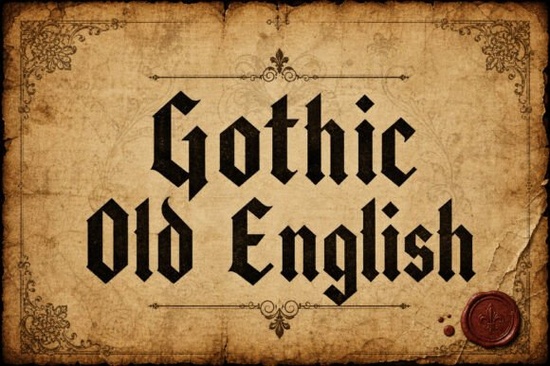
If you need a typeface that carries historical weight without looking like a costume prop, the Gothic Old English Font delivers exactly that. It is a traditional blackletter display font built with sharp terminals, solid vertical stress, and structured calligraphy that reads clearly even at smaller display sizes. Designers, print-on-demand sellers, and crafters often reach for this style when a project needs to feel authoritative, vintage, or slightly rebellious. Instead of overly ornate swirls, this font relies on clean geometric cuts and consistent stroke width, which makes it much easier to work with across both digital screens and physical printing methods.
What makes this blackletter typeface different from standard medieval fonts?
Many Old English styles lean heavily into decorative flourishes that quickly become unreadable. This version strips away the excess and keeps the focus on strong, legible letterforms. The sharp edges and tight spacing give it a grounded, almost architectural feel. If you have ever struggled with blackletter fonts that turn into ink blots when printed on textured paper or fabric, you will notice how the open counters and deliberate negative space here prevent that problem. It reads like authentic calligraphy, but it is engineered for modern design workflows. For more options in this style, you can browse our collection of traditional blackletter typefaces that share the same structural approach.
Where does it work best in real projects?
This font shines when you give it room to breathe. It is not meant for body copy or long paragraphs. Instead, treat it as a display tool for headlines, logos, certificates, album art, and short brand statements. Print-on-demand sellers use it successfully on t-shirts, tote bags, and posters where a single bold phrase needs to grab attention. Tattoo artists and illustrators also appreciate the clean line work because it translates well into stencil prep and vector tracing. If you are building a brand that leans into heritage, craftsmanship, or underground aesthetics, the typeface adds instant visual authority without feeling dated.
Which design formats handle the sharp edges well?
The angular terminals and high-contrast structure respond best to high-resolution outputs and clean substrates. Here is what typically works:
- Screen printing and DTG: The consistent stroke width holds up on cotton and blended fabrics without bleeding.
- Laser cutting and vinyl: Sharp corners cut cleanly when you adjust the node points slightly in your vector software.
- Digital posters and social graphics: Pair it with a muted background and generous padding so the letters do not compete with other elements.
- Certificates and formal invites: Use it for names or titles only, then switch to a simple serif for the details.
When you need a reliable reference for licensing and file formats, you can view the Gothic Old English Font page directly.
How do you pair it without making your layout feel heavy?
Blackletter fonts carry a lot of visual weight, so balance is everything. The safest approach is to pair it with a neutral sans serif or a light transitional serif. Let the Old English style handle the headline or the main brand mark, then use a clean, highly readable font for subtitles, pricing, or descriptions. Keep your color palette restrained. Dark charcoal, warm off-white, or deep burgundy usually work better than bright neon tones, which can clash with the historical feel. If you are designing for merchandise, test your layout at actual print size before finalizing. What looks balanced on a large monitor often feels cramped on a standard shirt graphic.
What should you check before using it for print or merchandise?
A few quick technical checks will save you from misprints and licensing headaches. First, confirm that you have the correct file format for your workflow. OTF and TTF files are standard for design software, while SVG or PNG exports are better for cutting machines and POD platforms. Second, review the commercial license terms if you plan to sell physical products or digital templates. Most marketplace fonts allow small business use, but some require an extended license for high-volume sales or trademarked logos. Finally, always convert your text to outlines before sending files to a printer. This prevents font substitution issues and keeps your sharp edges intact across different operating systems.
Before you export your final design, run through this quick checklist:
- Set tracking to zero or slightly positive to keep the tight blackletter spacing readable.
- Convert text to outlines and inspect corner nodes for overlapping paths.
- Test print a small sample on your actual material to check ink spread or vinyl weed lines.
- Pair with one supporting font maximum to avoid visual clutter.
- Verify your license covers the intended use, especially for POD or client branding.
Start with a single headline or logo mark, adjust the spacing until the letters feel grounded, and let the historical character do the heavy lifting. When you keep the layout simple and the production settings clean, this typeface will deliver a strong, professional result every time.
Explore Design Cherry Font: Free Handwritten Script for Creative Projects
 Thick Fonts for Bold, Impactful Designs
 The Montage Font: Design Ideas & Free Downloads
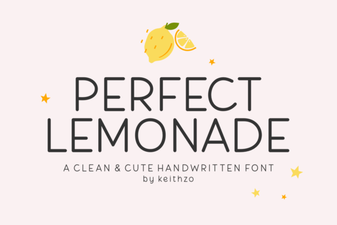 Perfect Lemonade Font Design Ideas & Free Download
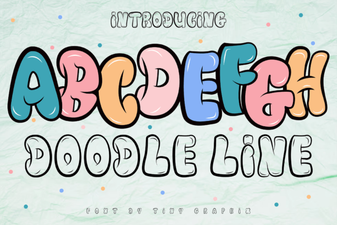 Doodle Line Fonts: Creative Projects & Ideas
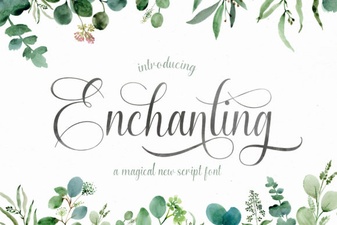 Enchanting Script Fonts for Creative Designs