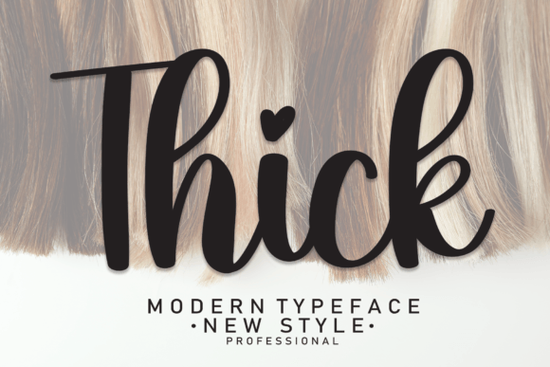
If you need a typeface that feels personal but still reads clearly at a glance, Thick Font delivers exactly that. The letters carry a hand-drawn weight that stands out on both digital screens and printed materials. Designers, crafters, and small shop owners often choose this style when they want a warm, approachable look without sacrificing legibility. Whether you are laying out wedding stationery, designing product labels, or creating social media graphics, the consistent stroke width keeps your message clean and easy to scan.
What makes this typeface work well for handmade and print projects?
Handwritten styles can sometimes look messy when scaled down, but this design keeps its structure intact. The rounded edges and steady baseline give it a polished feel, which means you can use it for detailed work like watermarks and photography credits without worrying about blurred edges. If you have tried other brush or script options that felt too thin for packaging, you will notice how the heavier strokes hold up better on textured paper and fabric transfers. Many creators pair it with a simpler sans serif for body text, letting the display letters take center stage. When you want something with a similar handcrafted mood, browsing through an enchanting script collection can help you find complementary accents for longer paragraphs.
Which products and layouts pair best with bold handwritten letters?
The weight of these characters makes them ideal for projects that need quick visual impact. Print-on-demand sellers often use this style for tote bags, mugs, and wall art because the letters remain sharp after heat pressing or digital printing. Small businesses find it useful for product packaging and labels where a personal touch builds trust with customers. It also works nicely for wedding invitations, event signage, and social media post logos that require a friendly, handwritten taste. If you are building a brand kit, you might test it alongside a cherry-inspired script option to see which weight matches your packaging colors best. For seasonal campaigns or holiday cards, mixing it with a playful rainbow-style typeface can add a lighthearted contrast without cluttering the layout.
How do you install and use the files without formatting issues?
Working with display fonts is straightforward once you know how your design software handles spacing. After downloading the package, install the OTF or TTF files through your system font manager, then restart programs like Photoshop, Illustrator, or Canva to refresh the library. Turn on kerning and adjust the tracking slightly if you plan to use all caps, since handwritten styles often need a little extra breathing room between characters. When you export files for print, convert the text to outlines or embed the font to avoid substitution errors at the print shop. If you prefer a more relaxed, everyday feel for longer quotes, testing a natural handwriting alternative might give you the right balance for secondary text. You can also review the full thick font script collection to check for matching italics or alternate glyphs that fit your project.
For licensing details and commercial use rights, always verify the terms before selling finished goods. You can explore Thick Font directly on the marketplace to download the latest version and check file compatibility.
What should you test before sending your design to print or publish?
A quick pre-flight check saves time and prevents costly reprints. Start by printing a small sample on the actual material you plan to use, whether that is cardstock, vinyl, or cotton. Look at how the ink settles into the curves and whether the heavier strokes merge together at small sizes. Adjust the font size or switch to a lighter weight if the details disappear. Keep your color contrast high, especially for labels and watermarks that will be viewed on mobile screens. Finally, save a master file with editable text and a separate print-ready version with outlined typography so you can make fast changes later.
- Install and restart: Add the font files to your system, then reboot your design app to avoid missing glyphs.
- Test spacing: Adjust tracking and kerning, especially for headlines and all-caps layouts.
- Check print samples: Run a small test on your final material to verify stroke clarity and ink coverage.
- Pair wisely: Combine with a clean sans serif or light script for body text to keep the design balanced.
- Verify licensing: Confirm commercial rights before listing products or using the typeface in client work.
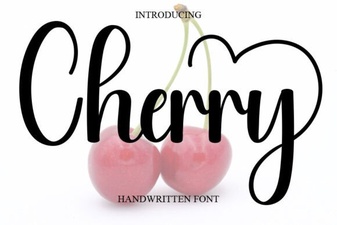 Cherry Font: Free Handwritten Script for Creative Projects
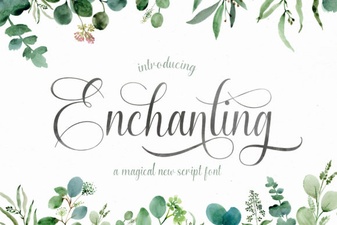 Enchanting Script Fonts for Creative Designs
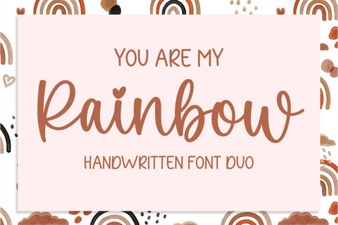 You Are My Rainbow: Typography & Design Inspiration
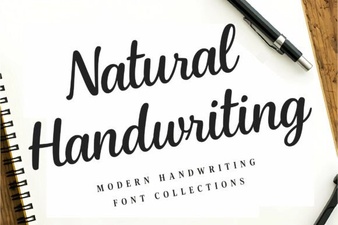 Artful Natural Fonts for Your Designs
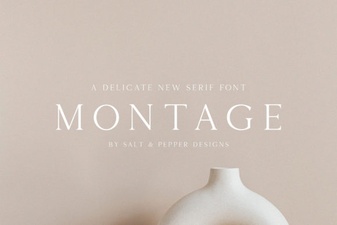 The Montage Font: Design Ideas & Free Downloads
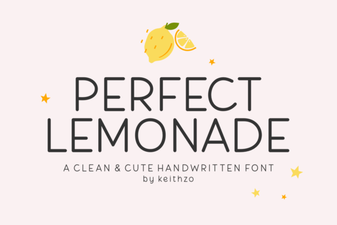 Perfect Lemonade Font Design Ideas & Free Download