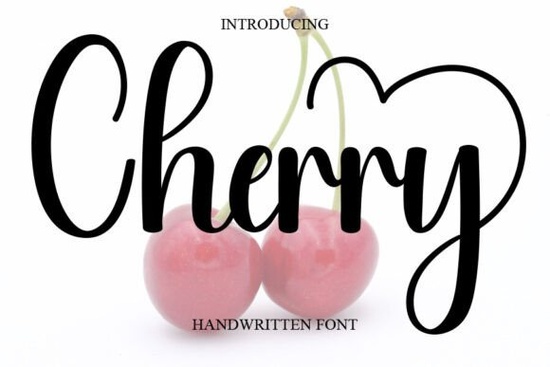
If you need a typeface that feels both polished and approachable, Cherry Font delivers exactly that. This cursive handwritten style brings a soft, romantic rhythm to your layouts without looking overly formal. Designers, crafters, and print-on-demand sellers often reach for this kind of script when they want a personal touch that still reads clearly on screens and printed materials. The gentle curves and consistent baseline make it surprisingly versatile for everyday projects, and you can review the full typeface gallery to see how the character set handles different spacing scenarios.
What makes this script font stand out?
The strength of this design lies in its balanced stroke weight and natural letter connections. Unlike heavily decorated scripts that struggle at smaller sizes, this typeface keeps its shapes clean and highly readable. The lowercase letters flow smoothly, while the uppercase characters add just enough structure to keep headings grounded. You will notice subtle variations in the curves that mimic real penmanship, which helps your work feel handmade rather than machine-generated. If you typically compare organic penmanship styles for client branding, you will appreciate how this one avoids excessive swashes while maintaining a warm, consistent personality across the entire alphabet.
Where does a handwritten typeface like this work best?
This style shines in projects that need a friendly yet refined voice. Wedding invitations, baby shower announcements, and greeting cards benefit from the soft, romantic feel. Small business owners often use it for boutique branding, product packaging, and social media graphics where a casual elegance helps build customer trust. Print-on-demand sellers find it reliable for tote bags, mugs, and apparel because the letterforms hold up well during heat pressing and embroidery. When you want something slightly bolder for visual contrast, you might test a heavier brush alternative for subheadings, but the original weight usually carries most layouts on its own. It also works nicely for lookbooks, marketing flyers, and logo marks that need a hand-drawn aesthetic without sacrificing professionalism.
How do I pair it with other typefaces?
Script fonts rarely work alone, and this one is no exception. The safest approach is to match it with a clean sans serif or a simple serif for body text. Let the cursive style handle short headlines, names, or accent phrases, while the secondary font takes care of longer paragraphs and fine print. Keep the size difference noticeable so the two typefaces do not compete for attention. If you enjoy experimenting with mood-driven combinations, you could mix in decorative calligraphy families for decorative quotes, or swap to a lighthearted marker design when your project calls for a more youthful vibe. Remember to check kerning manually, especially where capital letters meet lowercase curves, since automatic spacing can sometimes leave awkward gaps in cursive designs.
What should I check before downloading?
Always review the included file formats and licensing terms before adding any typeface to your workflow. Most commercial packages provide OTF and TTF files, along with web font versions if you plan to use the design online. Verify whether the license covers your intended use, especially if you are selling physical products, digital templates, or client branding. Test the font at multiple sizes and on different backgrounds to ensure legibility holds up. You can also search for Cherry Font to compare versions, check updated files, and read recent user feedback from other creators.
- Install and test the OTF/TTF files in your primary design software before starting a major project.
- Check spacing around capital-to-lowercase transitions and adjust kerning by eye.
- Pair intentionally with a neutral sans serif or serif for body copy and fine print.
- Verify licensing for commercial sales, client work, or print-on-demand listings.
- Export a sample at actual print size to confirm stroke clarity and color contrast.
Keep a short style sheet with your chosen pairings, size ratios, and color codes so you can reuse the layout consistently across future campaigns.
Learn More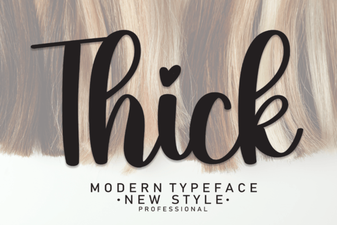 Thick Fonts for Bold, Impactful Designs
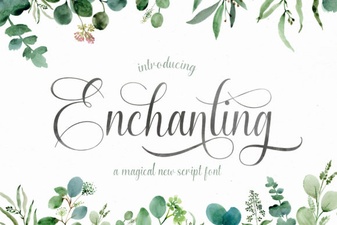 Enchanting Script Fonts for Creative Designs
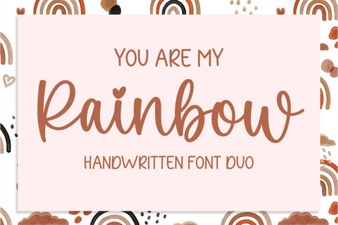 You Are My Rainbow: Typography & Design Inspiration
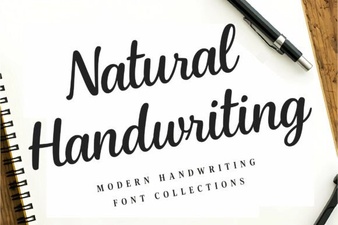 Artful Natural Fonts for Your Designs
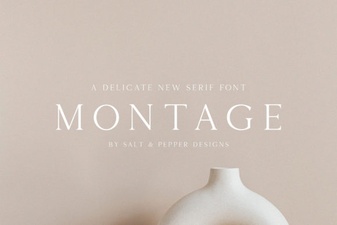 The Montage Font: Design Ideas & Free Downloads
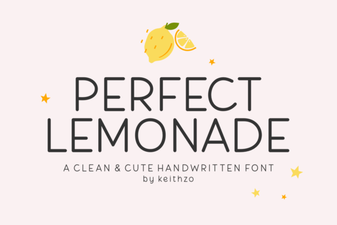 Perfect Lemonade Font Design Ideas & Free Download