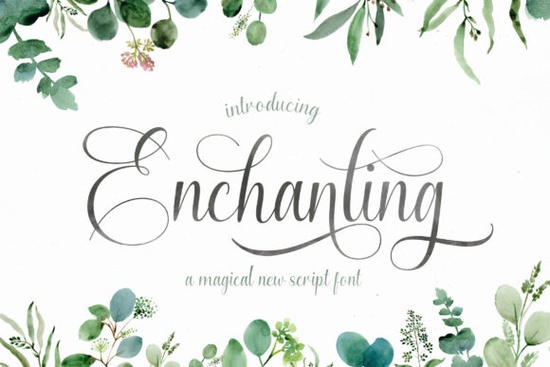
If you need a handwritten typeface that feels personal without looking messy, Enchanting Script Font is a solid pick for logos, branding kits, and quote graphics. The letters flow naturally, and each character carries a subtle hand-drawn quality that keeps your work from feeling overly digital. Whether you run a small print-on-demand shop, design wedding invitations, or create social media templates, this style gives you a clean foundation that reads well at different sizes.
What makes this handwritten style work for everyday projects?
Script typefaces often struggle with readability, but this one keeps the loops and connections balanced. The strokes are consistent enough for professional branding, yet relaxed enough for craft projects and hobby designs. If you have tried heavier options like a bold brush style and found them too dominant for smaller text, you will notice how this lighter approach leaves more breathing room on the page. The result is a font that works quietly in the background while still drawing attention to your main message.
Where does it fit best in your design workflow?
Most creators use this kind of lettering for short headlines, product names, or signature-style marks. It handles well on mockups for mugs, tote bags, and stickers, where a personal touch helps items stand out in crowded marketplaces. Small business owners often pair it with simple sans-serif body text to keep packaging labels clear. If you are building a cohesive shop identity, you might also browse a playful cherry-inspired alternative when you need something slightly more casual for seasonal promotions.
How do the PUA-encoded glyphs and swashes actually help?
PUA encoding simply means you do not need special software to access alternate characters. Every swash, ligature, and decorative tail is available through standard font panels in programs like Canva, Illustrator, or Photoshop. This saves time when you are adjusting a logo mark or trying to fix an awkward letter connection. Instead of redrawing elements by hand, you can swap in a built-in alternate and keep your spacing consistent. For creators who prefer a more organic feel, testing a relaxed handwriting option alongside this font can help you decide which mood fits your current project.
What should you pair it with for clean, readable layouts?
Script fonts shine when they are not forced to carry heavy paragraphs. Use this typeface for titles, short quotes, or accent words, then switch to a straightforward sans-serif for longer descriptions. Keep line spacing generous, and avoid stacking too many script lines. When you need a cheerful contrast for children’s products or birthday prints, a bright, rounded companion can add personality without competing for attention. The goal is balance: let the handwritten letters breathe, and let the supporting font handle the details.
Quick setup tips before you start designing
Before you drop the font into your first layout, take a few minutes to install it correctly and check your software settings. Extract the downloaded files, install both the OTF and TTF versions if available, and restart your design program so the new characters load properly. Open the glyph panel to preview swashes, and test a few word combinations at different sizes. If you want to compare spacing and weight variations, the full script font gallery makes it easy to see how different letterforms behave side by side. To grab the latest files or check licensing details, you can view Enchanting Script Font directly on the marketplace.
Next steps before you publish:
- Test the font at 12pt, 24pt, and 48pt to confirm readability across print and screen.
- Turn on ligatures and alternate glyphs to fix awkward letter pairs.
- Pair with a simple sans-serif for body copy and keep script usage under three lines.
- Export a quick mockup and check contrast against your background color.
- Save a style sheet with your chosen swashes so future projects stay consistent.
Start with a single quote graphic or product label, adjust the spacing until it feels natural, and reuse those settings across your next batch of designs.
Try It Free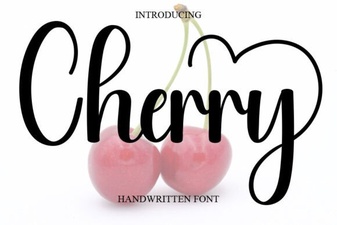 Cherry Font: Free Handwritten Script for Creative Projects
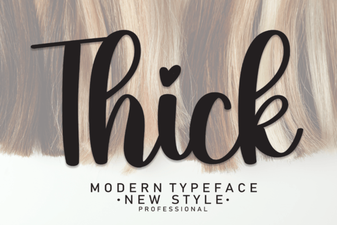 Thick Fonts for Bold, Impactful Designs
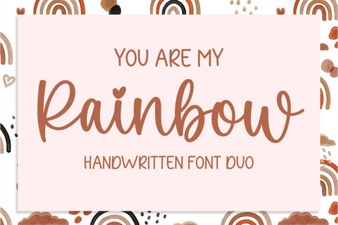 You Are My Rainbow: Typography & Design Inspiration
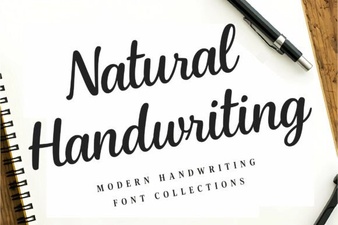 Artful Natural Fonts for Your Designs
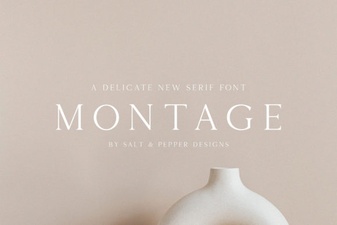 The Montage Font: Design Ideas & Free Downloads
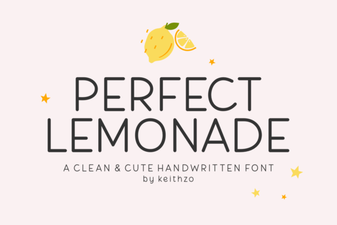 Perfect Lemonade Font Design Ideas & Free Download