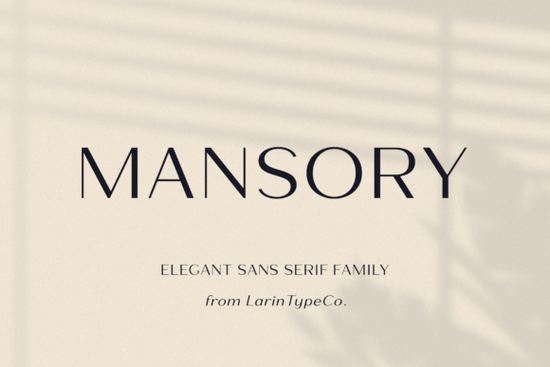
If you need a clean, lightweight sans serif that keeps your layouts looking polished without overwhelming them, Mansory Font is worth a closer look. It’s a delicately balanced typeface built for readability, making it a reliable choice for everything from brand logos and wedding invitations to print-on-demand stickers and small business packaging. The letterforms are spaced thoughtfully, so your text stays legible even at smaller sizes, and the overall feel is quietly modern rather than overly decorative.
What makes this typeface stand out?
Most light sans serif fonts struggle with consistency. Some characters look too thin, while others feel awkwardly spaced. This design avoids those common pitfalls by keeping stroke weights even and proportions steady across uppercase, lowercase, numbers, and punctuation. The result is a typeface that feels intentionally minimal without looking fragile. You’ll notice smooth curves on letters like “a” and “e,” straight vertical stems that anchor headings, and open counters that help text breathe on both screen and print. If you’ve tried other lightweight options that ended up looking washed out on merchandise, you’ll appreciate how this one holds its shape across different backgrounds.
When I’m building a fresh brand kit, I usually test a few clean sans serifs side by side. I’ve found that pairing it with a softer geometric style creates a nice contrast for subheadings and body copy.
Where does it work best in real projects?
Because the design leans light and airy, it shines in projects that need a calm, professional tone. Here’s where it tends to perform well:
- Print-on-demand apparel and mugs: Short phrases and minimalist quotes print clearly without heavy ink coverage.
- Small business branding: Business cards, thank-you tags, and packaging labels stay readable and look refined.
- Digital templates: Social media carousels and website headers load quickly and scale neatly across devices.
- Craft and hobby files: Cricut and Silhouette users will find the clean paths cut smoothly on vinyl and cardstock.
If your workflow relies on quick turnarounds, a dependable typeface like this saves time. You won’t need to manually adjust kerning or compensate for uneven weights. For projects that need a bit more personality in the supporting text, I often mix it with a friendly handwritten accent to keep the layout from feeling too strict.
How do I pair it with other typefaces?
Light sans serifs are naturally versatile, but they work best when you give them a clear role. Use this font for headings, short subheadings, or standalone quotes, then choose a medium-weight serif or a simple body sans for longer paragraphs. Keep the hierarchy obvious: larger sizes for the light font, smaller sizes for the heavier companion. Avoid pairing it with another ultra-light typeface, since the contrast will disappear and your design will look flat. When I’m organizing my design assets, I usually keep a dedicated folder for lightweight sans serifs so I can pull them quickly for client mockups and seasonal product launches.
What should I check before adding it to my toolkit?
Before you commit to any new typeface, run through a quick practical test. Type out a full sentence with mixed case, numbers, and common symbols like @, &, and #. Check how the letters sit on a dark background versus a light one, and print a small sample to see how the thin strokes translate to paper or transfer material. Verify that the license covers your intended use, especially if you plan to sell physical products or digital templates. You can review the full licensing details and grab the files directly through the Mansory Font page on Creative Fabrica.
Quick setup checklist before you start designing:
- Install both the OTF and TTF versions to keep compatibility across design software and cutting machines.
- Test a few tracking adjustments; adding 10–20 units of letter spacing often improves readability for light weights.
- Save a branded text style in your preferred app so you can reuse the exact size, weight, and spacing later.
- Export a small PNG and a vector PDF to confirm how the font renders on screen versus print.
Keep this typeface in your regular rotation for clean, low-fuss layouts, and you’ll spend less time fixing typography and more time finishing projects.
Get Started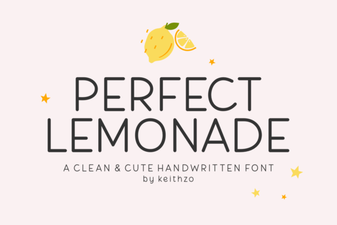 Perfect Lemonade Font Design Ideas & Free Download
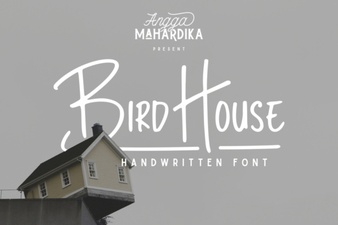 Bird House Font Styles for Creative Diy Projects
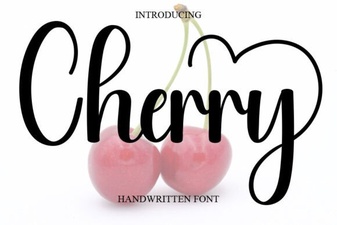 Cherry Font: Free Handwritten Script for Creative Projects
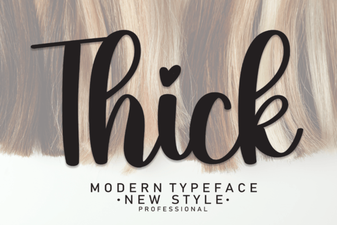 Thick Fonts for Bold, Impactful Designs
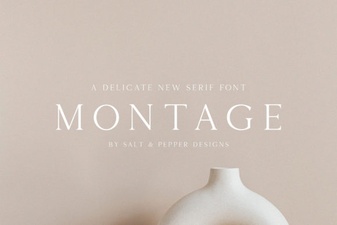 The Montage Font: Design Ideas & Free Downloads
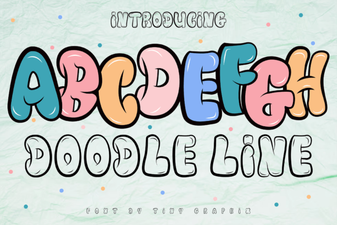 Doodle Line Fonts: Creative Projects & Ideas