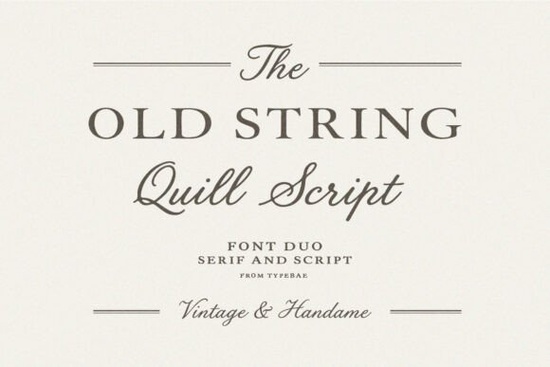
If you need a typeface that balances classic structure with handwritten warmth, Old String Font delivers exactly that. This duo pairs a refined vintage serif with a flowing quill-style script, giving you two complementary styles in one download. Designers, small business owners, and crafters often choose this combination when they want typography that feels established but personal. The contrast between steady serif letters and graceful script strokes creates a natural hierarchy that works well on wedding stationery, product packaging, and everyday branding.
What makes this serif and script combination work so well?
The strength of this duo comes from deliberate contrast. The serif half provides a solid foundation, while the script half adds movement and artistic character. When placed together, the eye naturally moves from structured headlines to softer subheadings. This balance keeps layouts from looking too stiff or overly decorative. If you enjoy browsing typefaces that lean into heritage aesthetics, you might also explore how other classic serif styles handle weight and spacing in similar projects.
Because the script mimics traditional quill writing, it carries subtle stroke variations that feel authentic. The serif counterpart matches those proportions, so you rarely have to force the two styles to align. This makes kerning and line height adjustments much simpler when preparing files for print-on-demand fulfillment.
Where should you use a vintage font duo like this?
This typeface shines in projects that require elegance without sacrificing readability. Here are the most practical applications:
- Branding and logos: Use the serif for the main business name and the script for a tagline.
- Wedding stationery: Ideal for invitations, place cards, and programs where a refined tone matters.
- Product labels: Works beautifully on candle jars, skincare bottles, and artisan food tags.
- Editorial layouts: Great for magazine headers, book covers, and quote graphics.
You do not need complex backgrounds to make the design feel complete. The letters carry enough personality on their own. When you want to test a slightly different mood for the same project, comparing it with other textured serif options can help you decide whether to keep the look clean or add more rustic detail.
How do you format and pair these letters for clean results?
Working with a font duo is straightforward once you establish a clear hierarchy. Keep the serif style for body text, headlines, or any information that must be read quickly. Reserve the script for short phrases, names, dates, or decorative accents. Avoid writing long paragraphs in the script style, since connecting strokes can reduce legibility at smaller sizes.
Start with a base size for the serif and scale the script slightly larger to compensate for its lighter visual weight. A ratio of roughly 1:1.2 usually creates a comfortable balance. Pay close attention to letter spacing, especially if you are printing on textured paper. Tight tracking can cause script loops to collide, while loose tracking can break the natural flow. If you prefer a smoother, more modern script to alternate with this vintage feel, you might look into how contemporary script pairings handle spacing and baseline shifts.
Before sending any file to print, double-check your licensing terms. Commercial use rules vary, and keeping a record of your purchase receipt protects your business. You can verify availability and current licensing details directly through Old String Font to ensure you have the correct files for your project scope.
What should you check before finalizing your design?
A quick pre-flight review saves time and prevents costly reprints. Run through these steps before exporting:
- Test the typeface at actual print size to confirm readability.
- Check contrast against your background, especially on dark packaging.
- Convert text to outlines if your printer requires vector artwork.
- Proofread names and dates carefully, since script letters can mask typos.
- Export a high-resolution PDF and view it at 100% zoom to catch spacing issues.
Once your layout passes these checks, save a master file with editable text layers. Build a simple style sheet that notes your preferred sizes, tracking values, and color codes. This small habit keeps your branding consistent and speeds up future design work.
Explore Design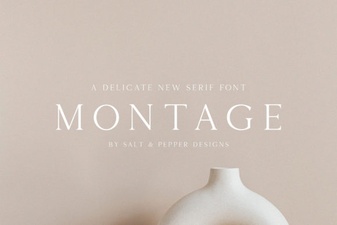 The Montage Font: Design Ideas & Free Downloads
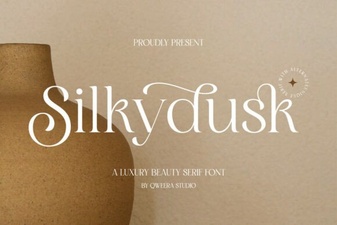 Silkydusk Font for Elegant & Creative Designs
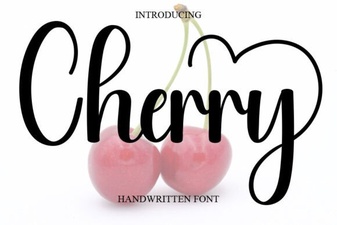 Cherry Font: Free Handwritten Script for Creative Projects
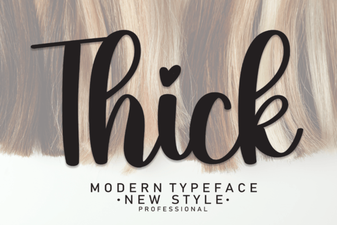 Thick Fonts for Bold, Impactful Designs
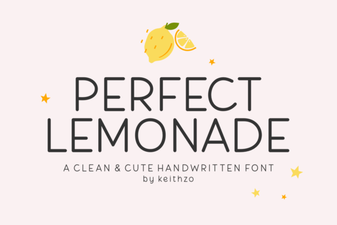 Perfect Lemonade Font Design Ideas & Free Download
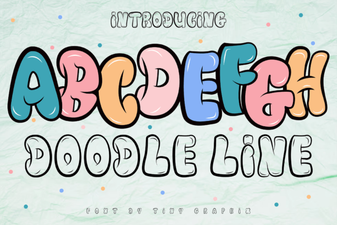 Doodle Line Fonts: Creative Projects & Ideas