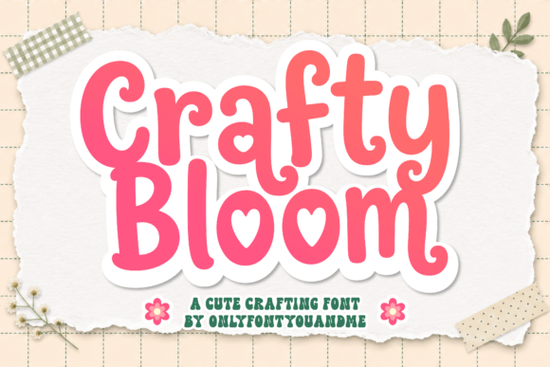
If you need a typeface that feels warm, hand-drawn, and ready for everyday making, Crafty Bloom Font delivers exactly that. This chunky display style uses rounded letterforms and a slightly uneven baseline to mimic the look of marker strokes on paper. The subtle heart cutouts inside select characters add a quiet decorative touch without overwhelming your layout. Whether you are designing stickers, cutting vinyl for tumblers, or laying out a small shop logo, the bold weight keeps your text readable while the soft edges keep it friendly.
What makes this lettering style work so well for handmade projects?
Most craft-focused designs fail when the typography feels too rigid. This font avoids that trap by keeping strokes thick and curves intentionally loose. The irregular shapes create a natural rhythm that pairs nicely with textured backgrounds and simple line illustrations. The heavy weight also holds up beautifully on cutting mats and print-then-cut sheets. When you weed vinyl or heat transfer material, the wide strokes reduce tearing and make alignment faster. For digital layouts, the bold presence means you can scale text down for social media thumbnails without losing clarity.
Which creative projects benefit most from these letterforms?
The playful structure fits naturally into markets that rely on cheerful branding. Print-on-demand sellers use it for kids’ apparel quotes, nursery wall art, and tote bag slogans. Party planners lean on it for birthday banners, cupcake toppers, and digital invitations that need a personal touch. Small business owners often choose it for product packaging, thank-you cards, and handmade labels. If you are browsing other display options for seasonal campaigns, you might also enjoy the casual energy found in sketch-style lettering or the rounded bounce of playful bubble typefaces.
How do I prepare the files for Cricut and Silhouette cutting?
Cutting machines handle thick display fonts well, but a few quick adjustments will save you time. Always convert your text to outlines or weld the letters before sending the design to your software. This prevents overlapping paths from creating extra cut lines. Increase letter spacing slightly if you plan to weed intricate heart details, and run a small test cut on scrap vinyl to check blade pressure. For print-then-cut stickers, add a thin white offset around your text block so registration marks stay clear. When you need a more structured contrast for subheadings, many makers switch to geometric stacked lettering to balance the soft curves.
What should I pair it with for clean, readable layouts?
Because the main typeface carries so much personality, your supporting text should stay quiet. A clean sans serif or a light monoline script works best for contact details, ingredient lists, or website URLs. Keep the chunky font reserved for headlines, short quotes, or single-word accents. If you are building a brand kit, limit your palette to two or three typefaces total. You can experiment with modern brush alternatives for secondary headers, or pull in retro-inspired display letters when you want a nostalgic twist on product tags.
Where can I check licensing and download the full set?
Before publishing or selling your finished items, always review the commercial license terms included with your purchase. Most desktop licenses cover small batch production, digital downloads, and physical merchandise, but large-scale distribution may require an extended agreement. You can preview the complete character map, check multilingual support, and grab the latest version of Crafty Bloom Font directly from the designer’s official page. Keeping your files updated ensures you have access to revised kerning pairs and newly added glyphs.
Quick setup checklist before you start designing
- Install both the OTF and TTF files, then restart your design software to refresh the font menu.
- Turn on ligatures and discretionary alternates if your program supports them to access the hidden heart details.
- Set tracking to +10 or +20 for vinyl cuts to prevent weeding issues on tight curves.
- Export print files at 300 DPI with CMYK color mode for accurate press results.
- Run a small test print or cut on your final material before committing to a full production batch.
Take a few minutes to sketch your layout on paper first, then drop the type into your canvas. Adjust the spacing, check the contrast against your background, and save a master template so your next project moves faster.
Explore Design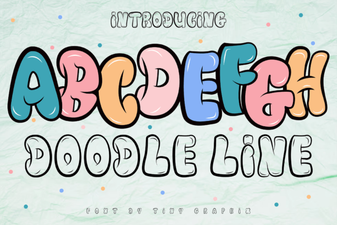 Doodle Line Fonts: Creative Projects & Ideas
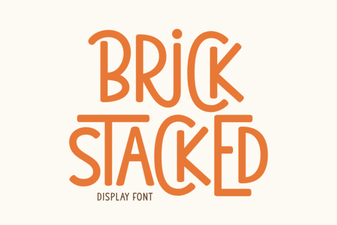 A Bold Brick Stacked Font for Creative Projects
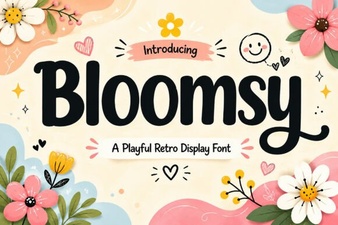 Bloomsy Font for Elegant and Creative Designs
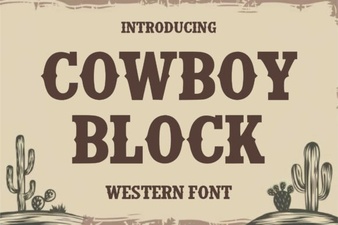 Cowboy Block Font for Rustic Design Projects
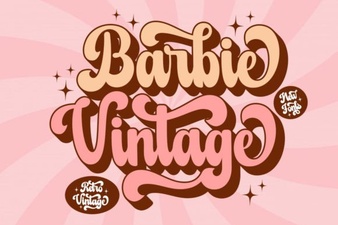 Vintage Barbie Fonts for Modern Design Projects
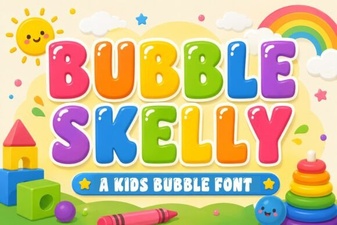 Bubble Skelly Font Download & Creative Uses