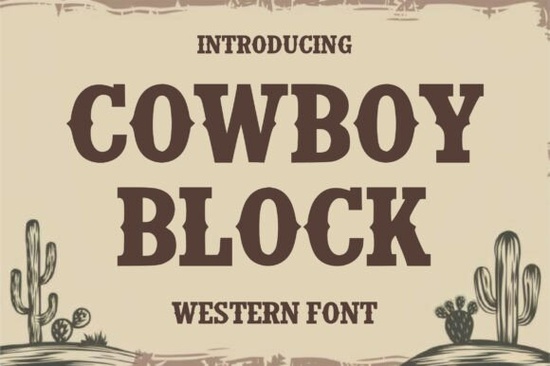
If you need a typeface that instantly reads as rugged, vintage, and unmistakably western, the Cowboy Block Font delivers exactly that. It is an all-caps display font built with thick block serifs and subtle decorative spurs that give each letter a saloon-era feel. The condensed weight keeps it highly readable even at large sizes, which makes it a practical choice for headers, signage, and print-on-demand merchandise.
What makes this western typeface stand out?
Most novelty western fonts rely on exaggerated swirls or uneven baselines that become hard to read. This one takes a different approach. It uses strong, geometric letterforms with clean edges and consistent spacing. The decorative wedges on the serifs add character without sacrificing legibility. Because it is strictly uppercase, you get uniform height and visual weight across every word. That consistency matters when you are designing for retail packaging, event posters, or digital thumbnails where quick readability is essential.
The font also includes a condensed structure that saves horizontal space. You can fit longer phrases on t-shirts, mugs, or wooden signs without shrinking the point size. For crafters and small business owners who sell rustic goods, that extra room often means cleaner layouts and fewer design compromises.
Where does it work best in real projects?
This typeface shines when you need immediate visual impact. It is built for short headlines, brand marks, and decorative labels rather than body copy. Here are the formats where it performs reliably:
- Print-on-demand apparel: Bold chest prints, sleeve badges, and hat patches that need a frontier aesthetic.
- Restaurant and bar signage: Menu headers, chalkboard specials, and exterior boards that require high contrast.
- Event and music posters: Country concerts, rodeo flyers, and vintage-style wanted posters.
- Product packaging: Labels for barbecue sauces, craft beverages, candles, and leather goods.
- Digital thumbnails: YouTube covers, podcast artwork, and social media banners where thick strokes prevent pixelation.
When you keep the text short and give the letters room to breathe, the font maintains its masculine, old-west character without looking cluttered. I recommend testing it at both 72 pt and 300 pt to see how the serifs hold up across different print resolutions.
How do you pair it with other display fonts?
Because this typeface carries heavy visual weight, it works best when paired with lighter or more playful companions. You can balance the rugged blocks with a hand-drawn script for subheadings, or match it with a clean sans-serif for pricing details. If you are building a western-themed brand kit, you might also explore a sketch-style display option to add texture behind your main title. For projects that need a softer contrast, a rounded retro typeface can soften the edges while keeping the vintage mood intact.
Some designers also layer it with a bold condensed companion when creating multi-line posters. If your project leans more toward nostalgic pop culture rather than frontier themes, you could test a mid-century display style for secondary text. And when you want to add a seasonal accent to merch drops, a themed novelty font often works well for small badges or limited-edition tags.
What should you check before downloading?
Before you add any display font to your workflow, verify the file formats and licensing terms. You will typically receive OTF and TTF files, which install smoothly on Windows and Mac. Check whether the license covers commercial use, especially if you plan to sell physical products or digital templates. Some font packages include extra glyphs, but this particular design focuses on a clean, all-caps set, so you should plan your layouts around uppercase hierarchy.
You can preview the full character set and licensing details for the Cowboy Block Font directly on the marketplace. Always test a few sample words in your design software before committing to a full layout. Adjust tracking slightly if the serifs feel too tight at smaller sizes, and avoid adding heavy drop shadows that can muddy the block structure.
Quick setup checklist for your next project
- Install the OTF or TTF file and restart your design app to refresh the font menu.
- Type your headline in all caps and set the tracking between 10 and 30 for better breathing room.
- Pair with a light sans-serif or handwritten script for subtext and pricing details.
- Export a test print at 300 DPI to verify serif clarity on your chosen paper or fabric.
- Confirm commercial licensing matches your intended sales channel before publishing.
Start with a single hero phrase, keep the background clean, and let the thick serifs do the heavy lifting. If you follow those steps, your western-themed designs will look intentional, readable, and ready for production.
Learn More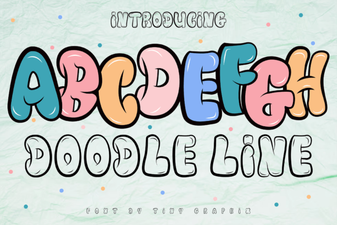 Doodle Line Fonts: Creative Projects & Ideas
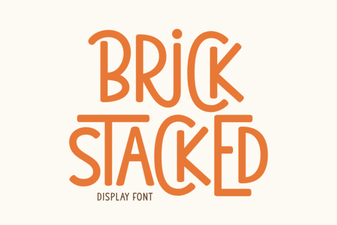 A Bold Brick Stacked Font for Creative Projects
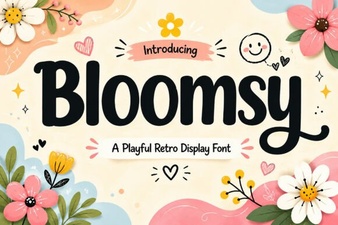 Bloomsy Font for Elegant and Creative Designs
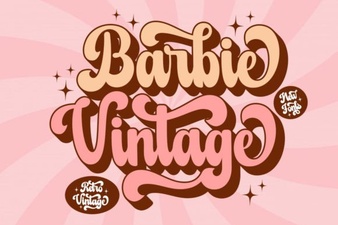 Vintage Barbie Fonts for Modern Design Projects
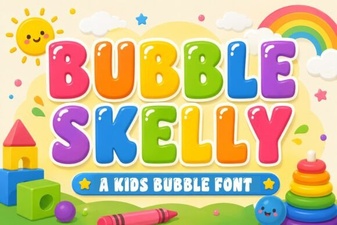 Bubble Skelly Font Download & Creative Uses
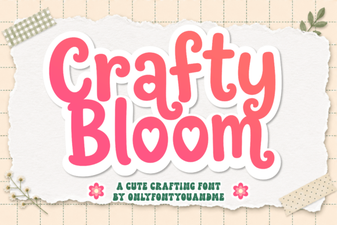 Crafty Bloom Font: Download & Use Guide